Category: Без категорії

  • Participation in the “Veteran Circle” Programme: Exploring Practices of Veterans’ Professional Reintegration

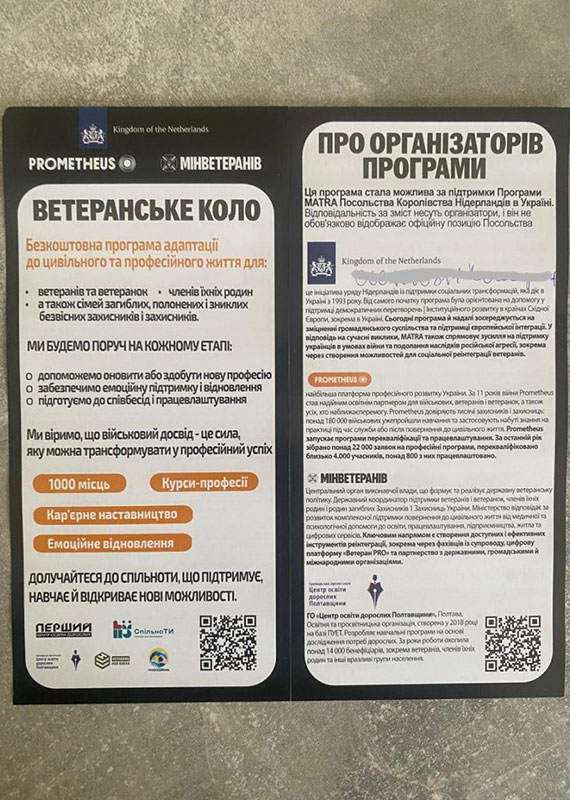
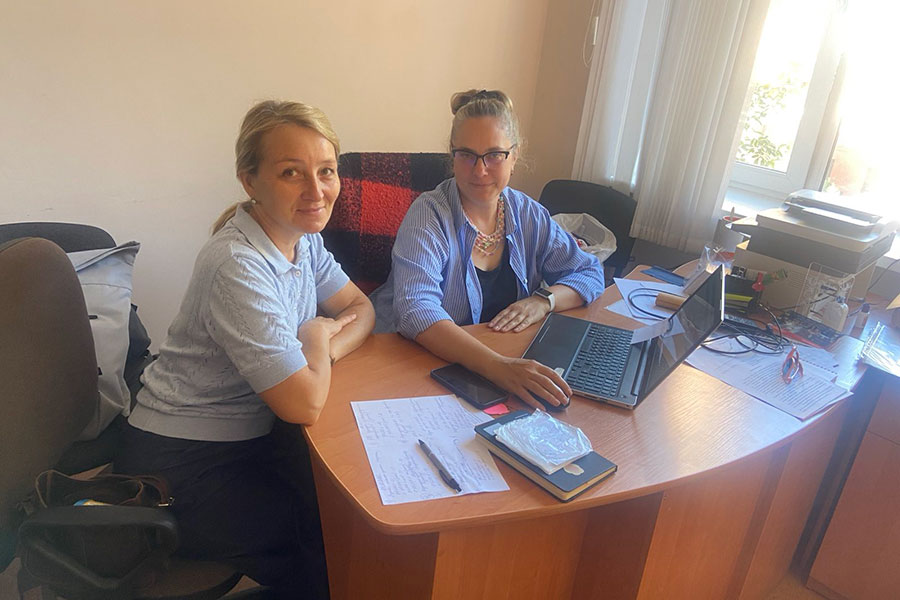
    A member of the research team implementing the project of the Ministry of Education and Science of Ukraine “Transformation of Military Experience into Social Leadership: An Internationalized Model of Veteran Empowerment as Agents of Social Change,” Larysa Vorona joined the “Veteran Circle” programme, aimed at professional adaptation, the development of new competencies, and the integration of veterans and their family members into civilian life.

    Larysa Vorona, Professor at the Department of Special Education, enrolled in the “Veteran Circle” programme at the Poltava Region Adult Education Centre, operating at Poltava University of Economics and Trade.
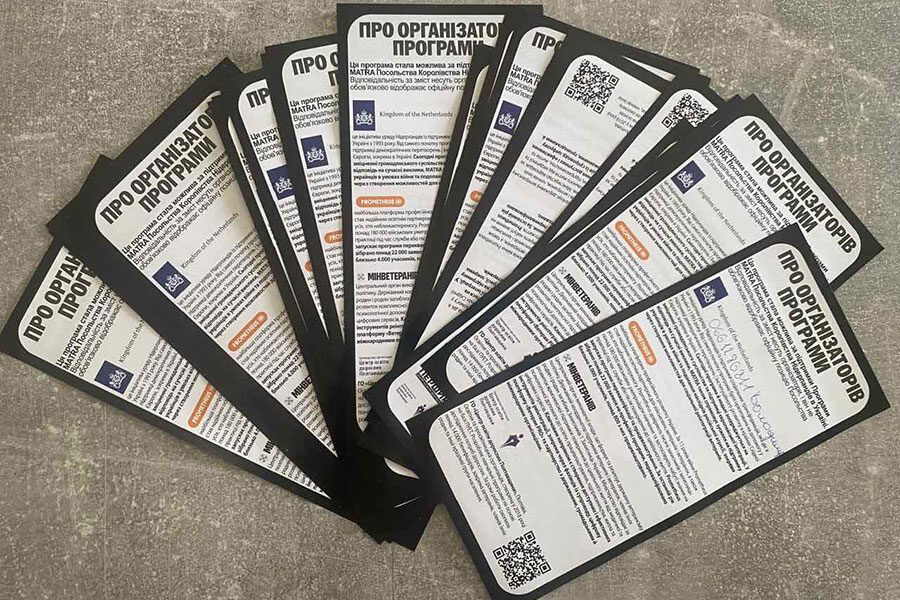
    The programme is delivered through the Prometheus platform in partnership with the Ministry for Veterans Affairs of Ukraine and with the support of the MATRA Programme of the Embassy of the Kingdom of the Netherlands in Ukraine. Its content covers professional adaptation, the development of new competencies, emotional recovery, and support for the successful integration of veterans and their family members into civilian life.

    Participation in the programme is directly related to the project’s research focus and provides an opportunity to explore practical approaches to veterans’ social adaptation, professional reintegration, and empowerment. Of particular interest in the context of the project is the role of adult education as a tool for developing new professional competencies, supporting lifelong learning, and creating opportunities for veterans to participate actively in community life.
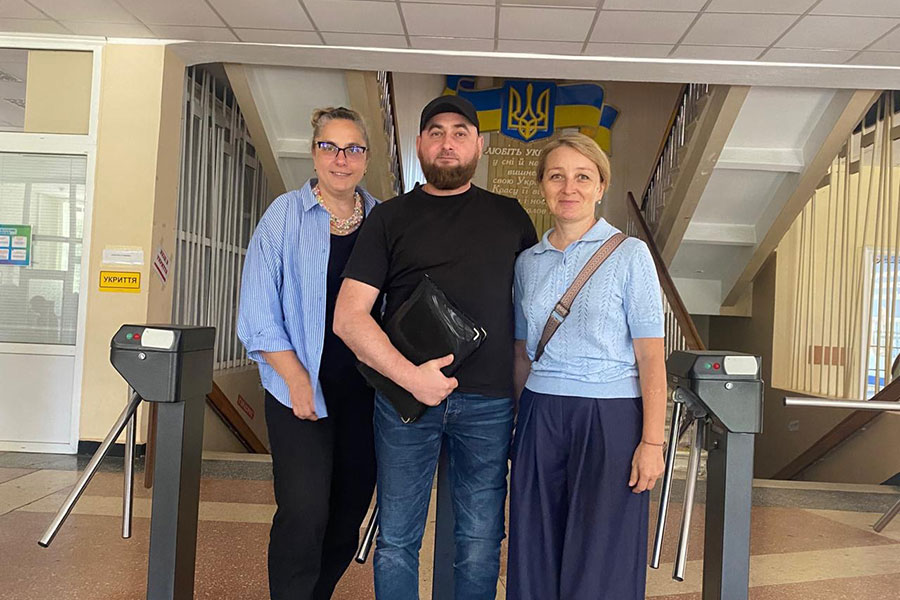
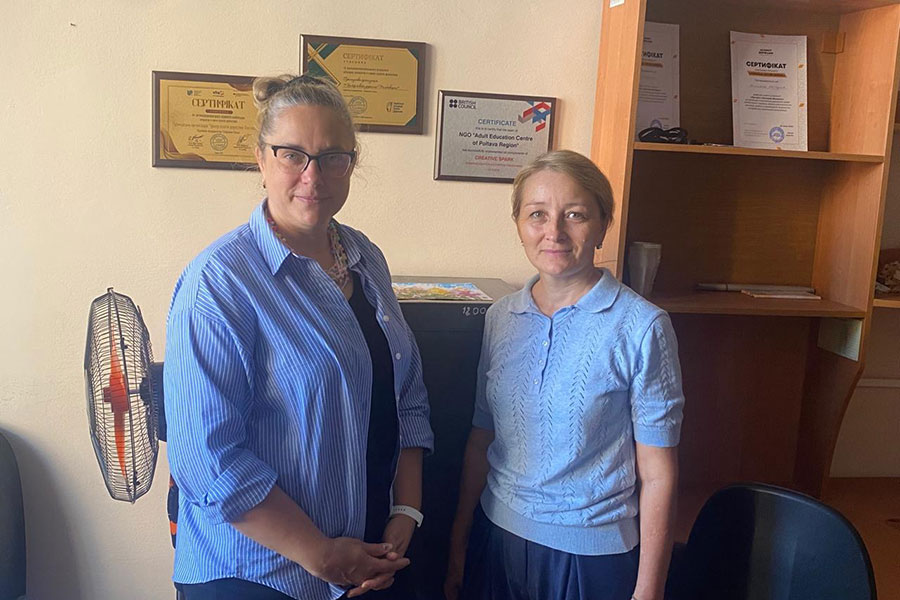
    The practices presented within the “Veteran Circle” programme also make it possible to view educational support not only as a component of adaptation to civilian life, but also as a mechanism for unlocking veterans’ potential and developing their agency and social leadership. This approach directly reflects the project’s conceptual logic: a shift from viewing veterans primarily as a vulnerable group towards recognising them as holders of unique experience and potential agents of social change.

    The practical experience gained through the programme will be used in educational, research, and project activities, particularly to inform the analysis and adaptation of contemporary practices of veterans’ professional and social reintegration during the further implementation of the project.
  • Psychological Assistance and Social Support for Veterans: Integrating Project Approaches into a Professional Development Programme

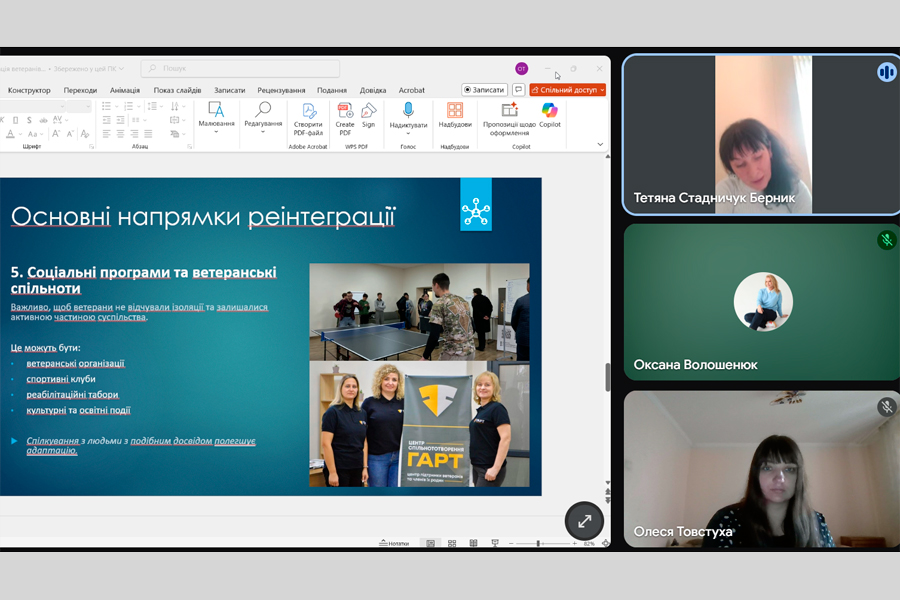
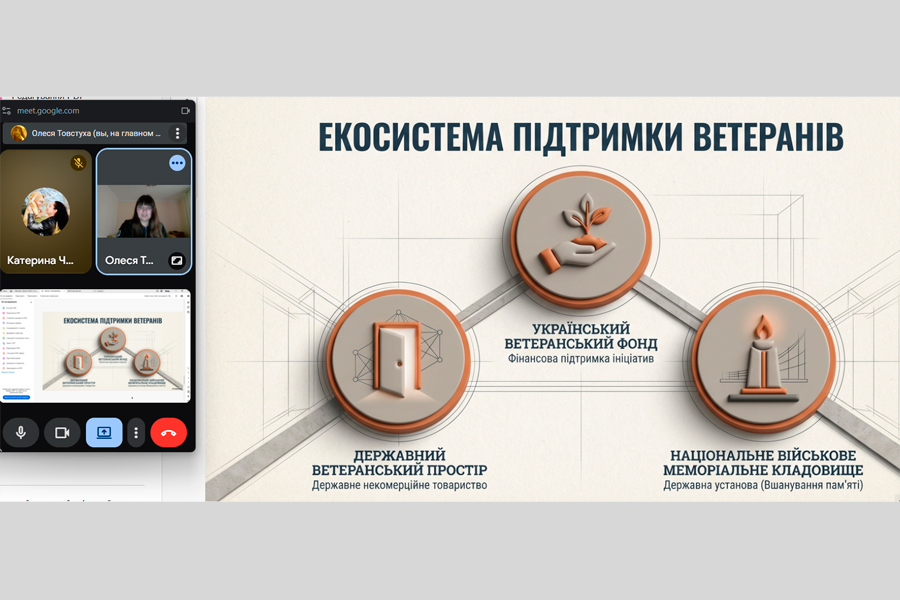
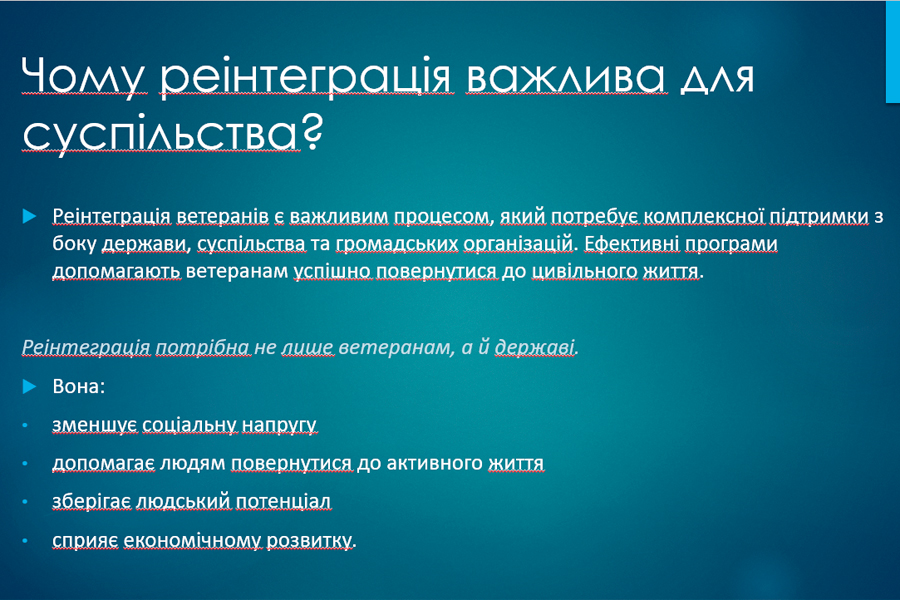
    On 6 March 2026, the professional development programme “Psychological Assistance, Social Support and Comprehensive Rehabilitation of Military Personnel and War Veterans,” which had been running since 2 February, was successfully completed. The programme became one of the practical platforms for integrating the conceptual foundations of the research project of the Ministry of Education and Science of Ukraine “Transformation of Military Experience into Social Leadership: An Internationalized Model of Veteran Empowerment as Agents of Social Change.”

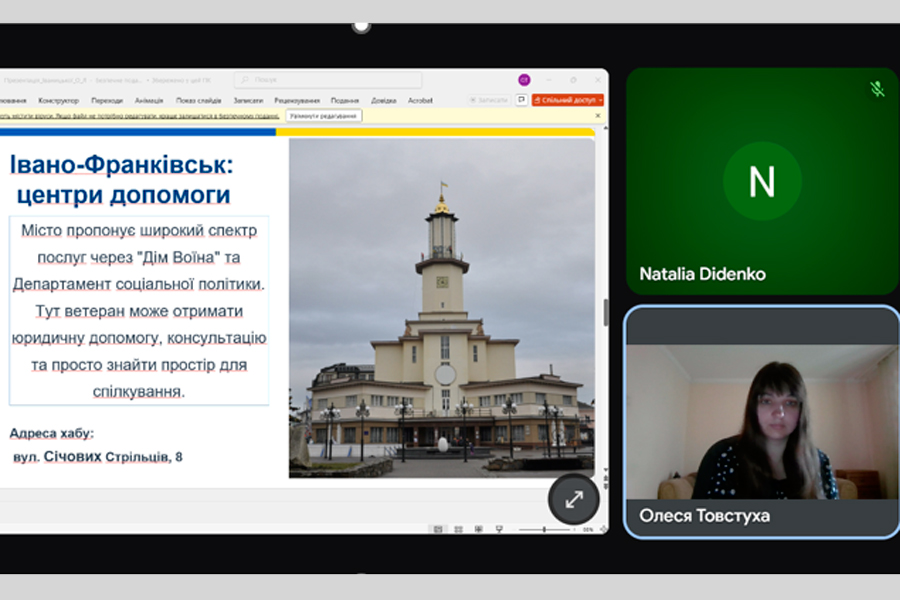
    The programme was developed by Olesia Tovstukha, Associate Professor at the Department of Psychology and a member of the project team. Participants from different regions of Ukraine included psychologists, specialists supporting war veterans and demobilized persons, as well as representatives of the healthcare and business sectors. This cross-sectoral composition brought together diverse professional perspectives on supporting veterans and facilitating their reintegration into civilian life.

    The project’s conceptual framework was integrated into the programme content, which addressed crisis situations and crisis response, traumatic stress and psychological trauma among military personnel and veterans, psychological support for veterans and their family members, needs assessment and the design of psychosocial support measures, comprehensive rehabilitation, and the development of individual rehabilitation plans.

    Particular attention was given to the psychosocial aspects of veterans’ return to civilian life and innovative approaches to their support, taking into account the experience of NATO countries. This made it possible to consider reintegration not only through the lens of psychological assistance and rehabilitation, but also within the broader context of restoring veterans’ social agency, developing their potential, and promoting their participation in community life.

    An important component of the final assessment focused directly on the project’s core issues. Participants’ final assignments consisted of two parts: a presentation on “War Veterans as a Vulnerable Category of Clients” and a project presentation entitled “Veterans as Agents of Social Change.”

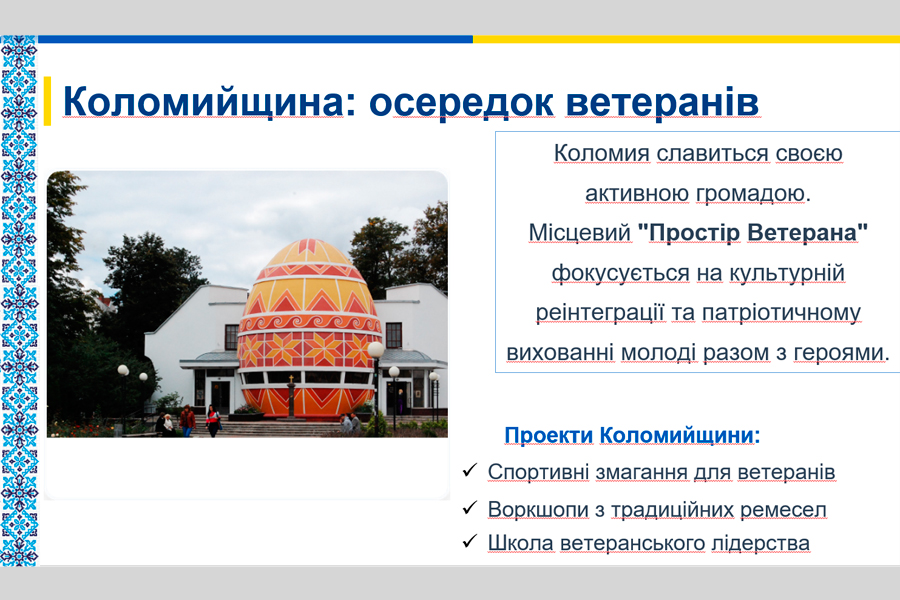
    The works presented combined professional knowledge with practical experience of veteran reintegration across different regions of Ukraine. The exchange of regional practices provided an opportunity not only to discuss existing support models, but also to reflect on the conditions under which veterans’ experience can be transformed into a resource for civic engagement and social leadership.

    The programme became one of the practical formats for implementing the project, integrating its conceptual principles into the professional development of specialists who work directly with the veteran community. Combining psychological assistance, social support, international experience, and an approach that views veterans as potential agents of social change provides a foundation for the further piloting and dissemination of the project’s findings and approaches.

  • Military Leadership and Veterans’ Public Diplomacy

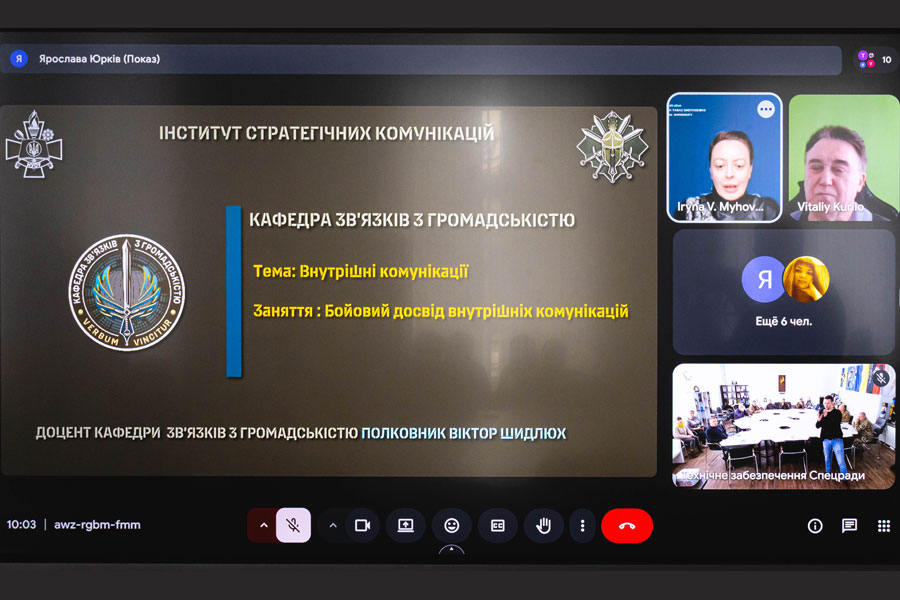
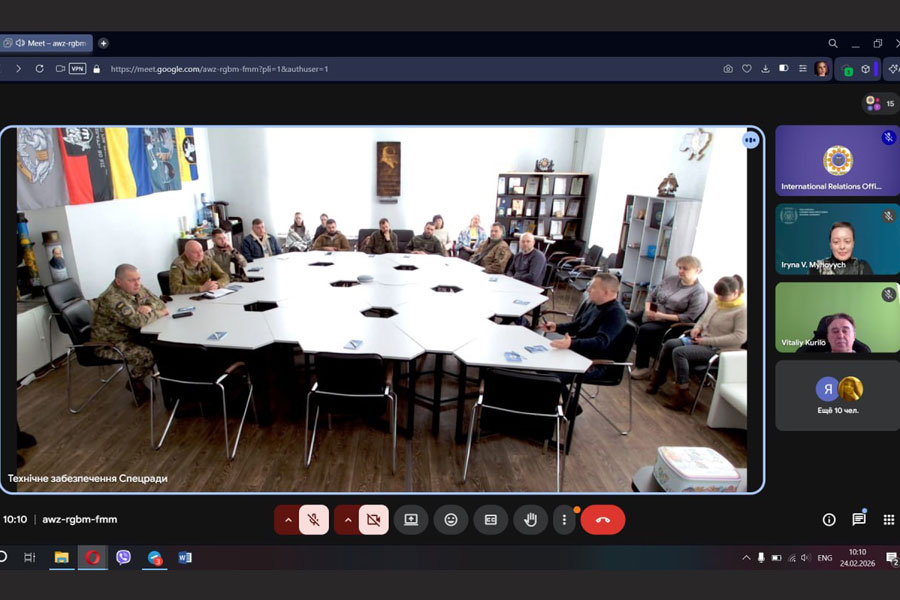
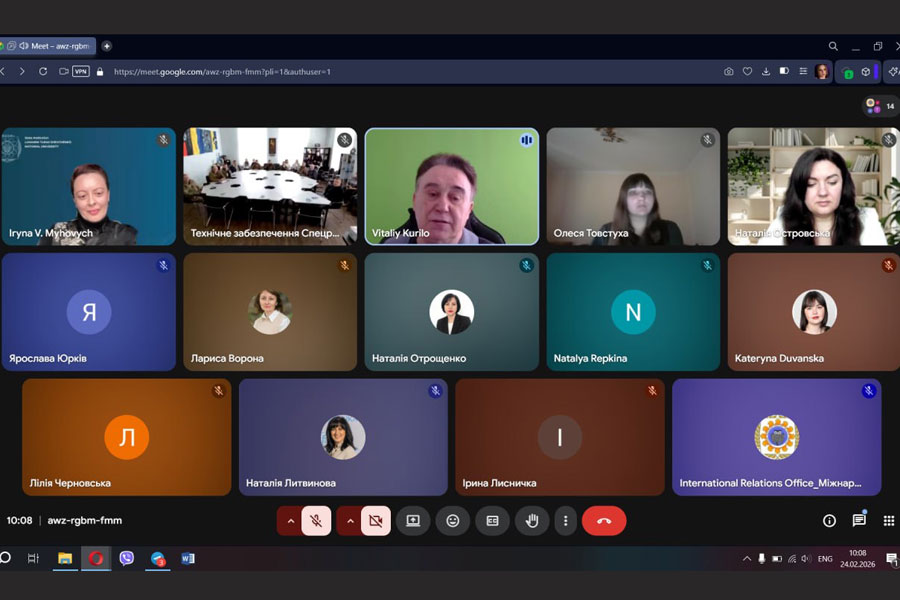
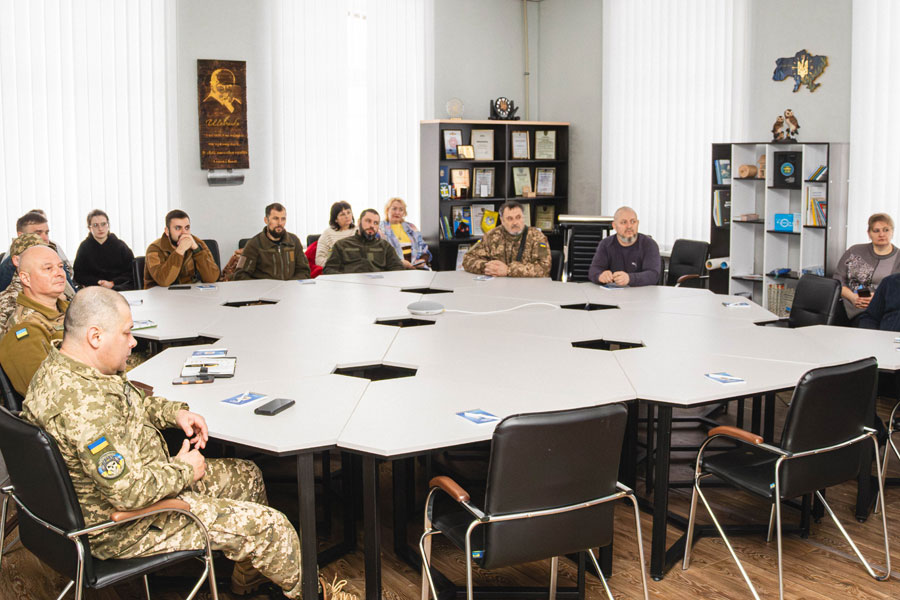
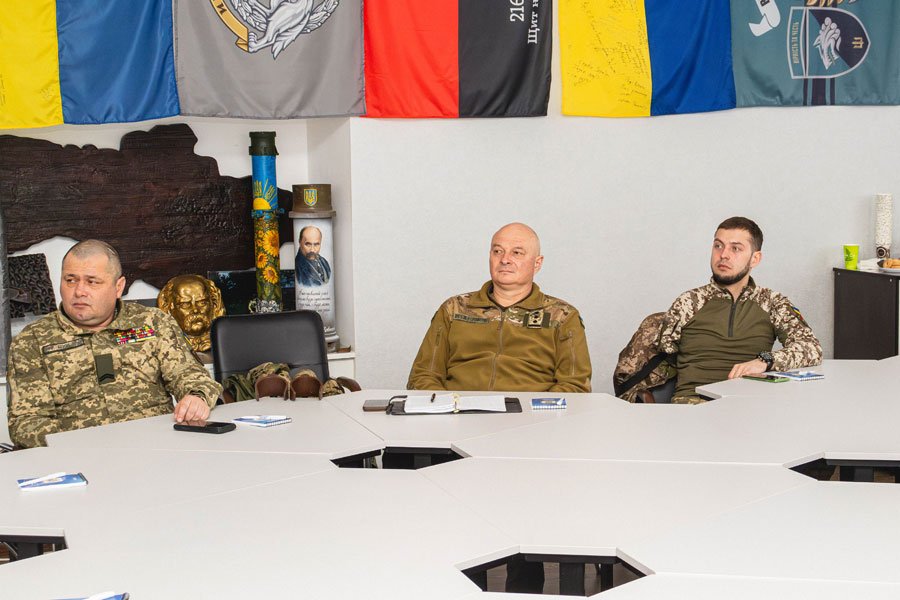
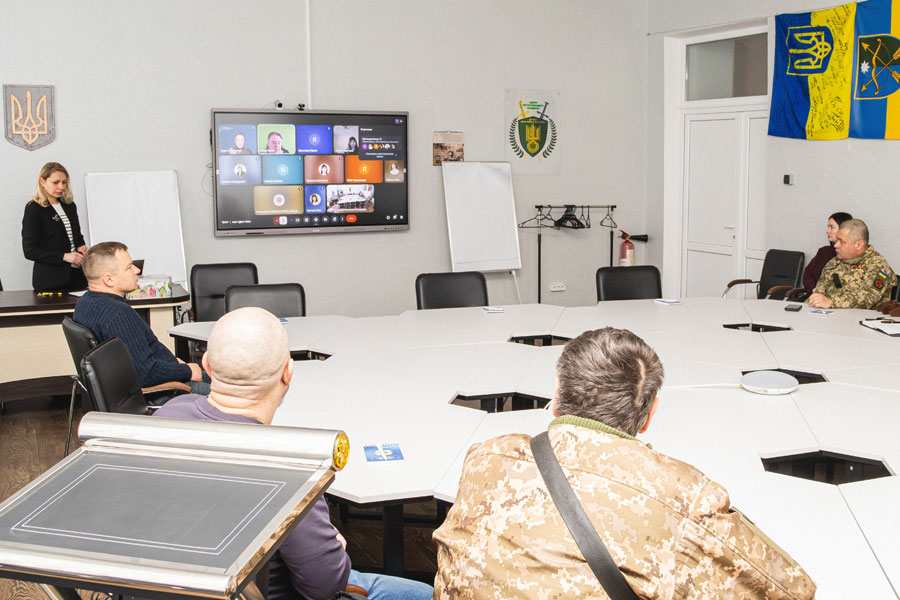
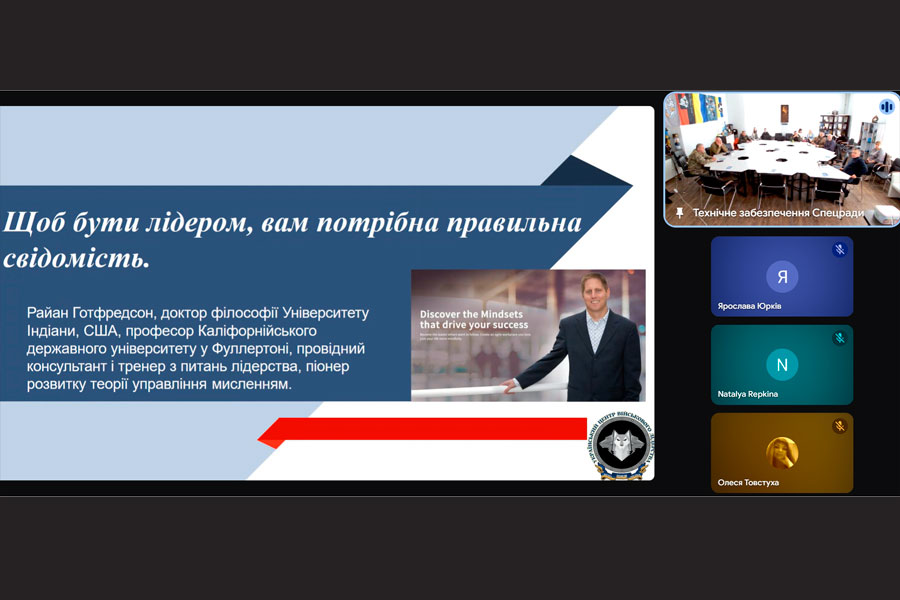
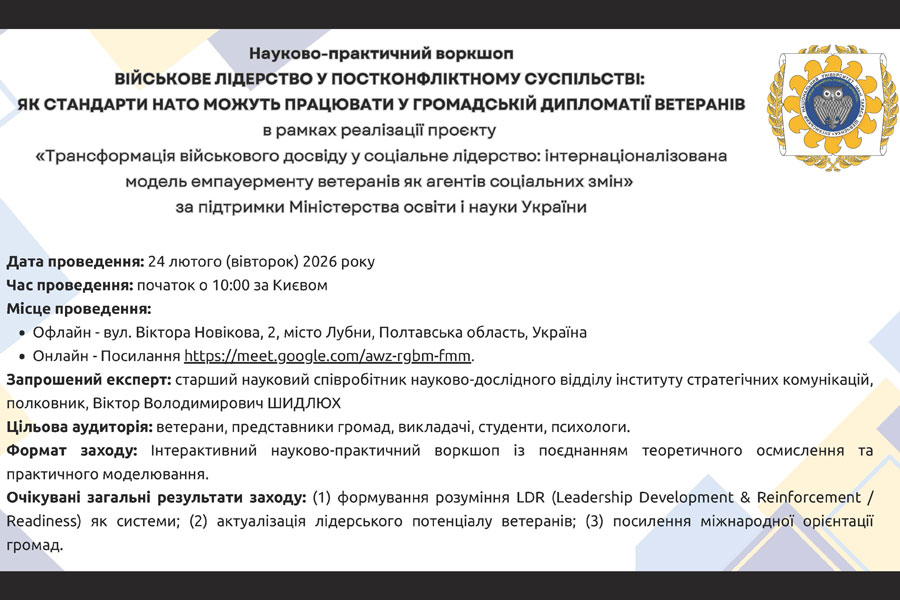
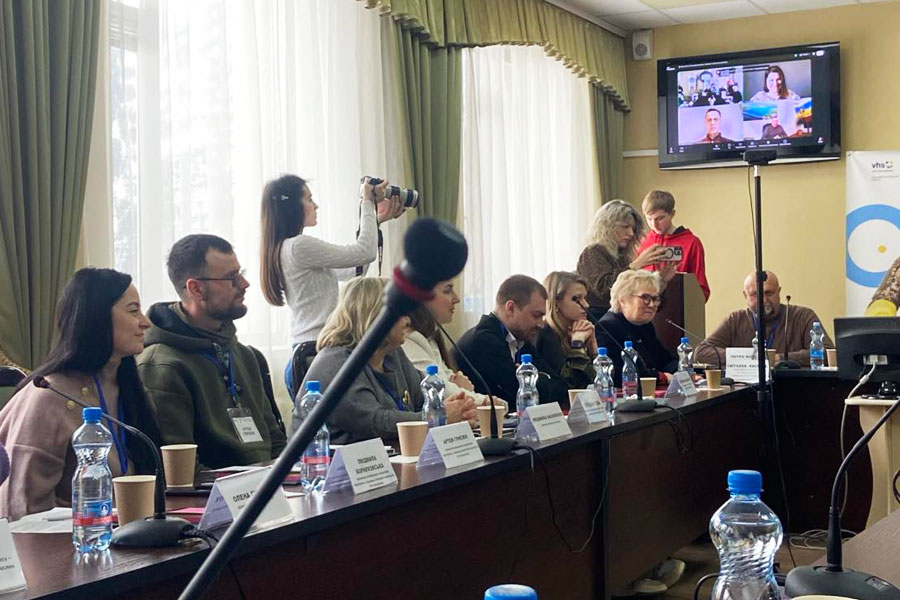
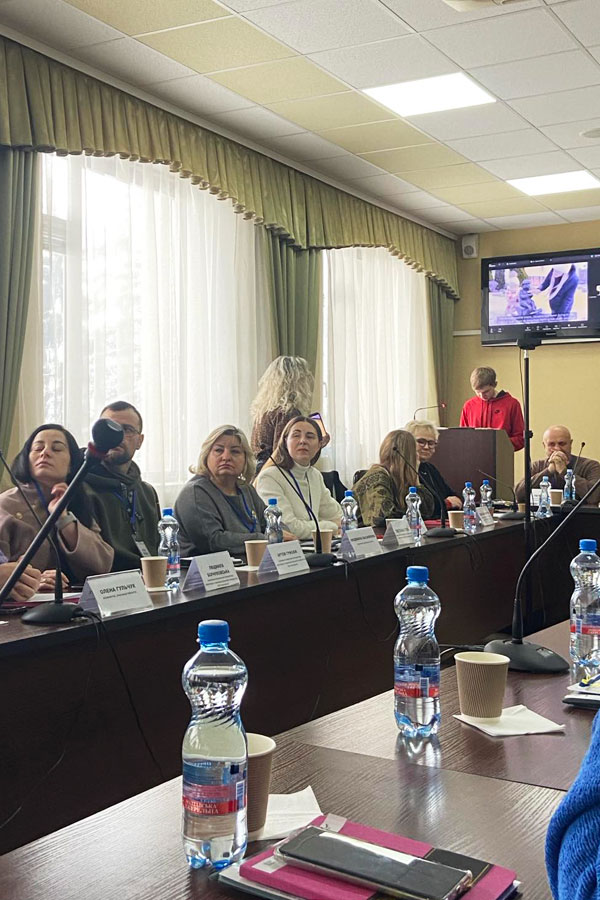
    On 24 February, the project team, led by V. S. Kurylo and with organizational support from Ya. I. Yurkiv and I. V. Myhovych, held the research and practice workshop “Military Leadership in a Post-Conflict Society: How NATO Standards Can Work in Veterans’ Public Diplomacy” as part of the project “Transformation of Military Experience into Social Leadership: An Internationalized Model of Veteran Empowerment as Agents of Social Change,” supported by the Ministry of Education and Science of Ukraine.

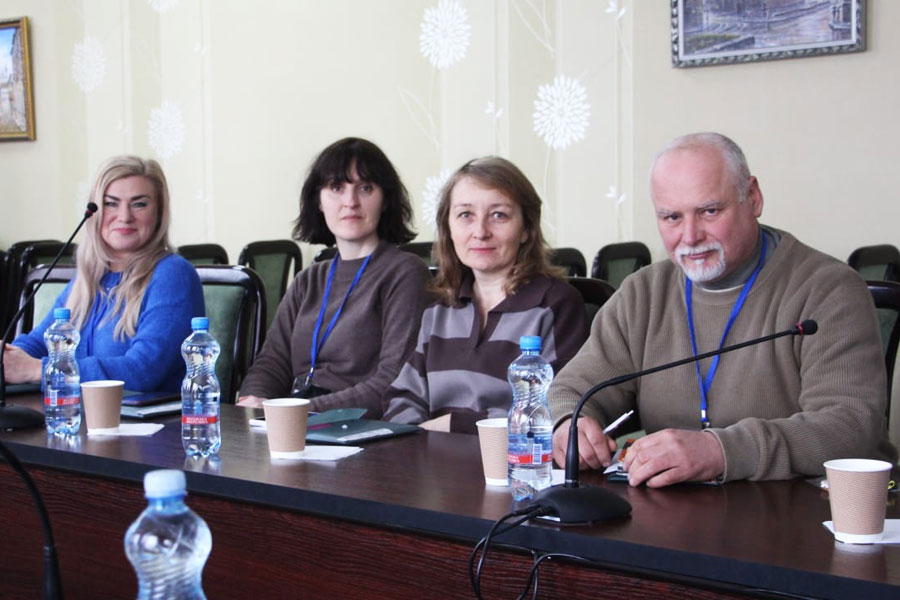
    The event brought together representatives of various professional and social groups, including veterans, representatives of territorial communities, academic staff, mental health professionals, and students. The invited expert was Colonel Viktor Volodymyrovych Shydliukh, Senior Research Fellow at the Research Department of the Institute of Strategic Communications.

    The conceptual core of the event was LDR (Leadership Development & Reinforcement / Readiness) as a system for developing military leadership that is implemented not only through the individual competencies of commanders, but primarily through an institutionalized culture of responsibility, trust, and initiative. This culture is built on the principles of mission command, the After Action Review methodology, and the systematic strengthening of organizational readiness.

    A separate segment of the event focused on exploring the phenomenon of veteran leadership in an international context. The analysis of coalition experience and NATO standards addressed the role of veterans as potential agents of intercultural communication, mediators, and representatives of local communities within international partnerships. Throughout the workshop, participants made a conceptual transition from the position of a “participant in events” to that of an “agent of action” capable of initiating and structuring international cooperation. Thus, the event served not only as an educational and awareness-raising platform, but also as a research space for critical reflection on international approaches to developing veterans’ leadership competencies through the lens of the local sociocultural context and the institutional capacities of Ukrainian society. The implementation of such activities demonstrates that the University is consistently developing an internationalized model of engagement with the veteran community, combining academic reflection, international experience, and the practical design of social change.

    In the context of the project, the date of 24 February carries particular symbolic significance. It marks not only historical memory but also highlights the research and practical task of transforming military and post-conflict experience into a structured resource for social development. This transformative logic—from reflection on traumatic experience to its institutionalization in the form of leadership competencies—constitutes the conceptual core of the project.
  • “Reintegration of War Veterans: Education as a Bridge to Business”

    On 19 February, the round table “Reintegration of War Veterans: Education as a Bridge to Business” brought together representatives of education, government, business, and civil society to discuss support for the veteran community.

    The event was attended by Larysa Vorona, Professor at the Department of Special Education and a member of the research team implementing the project of the Ministry of Education and Science of Ukraine “Transformation of Military Experience into Social Leadership: An Internationalized Model of Veteran Empowerment as Agents of Social Change.”

    The round-table discussions confirmed the relevance of the project’s research findings: veterans’ experience represents a powerful resource for the development of entrepreneurship, civic engagement, and social leadership. Education, cross-sectoral cooperation, and systematic support create the conditions necessary for such transformation.

    The event provided an important platform for exchanging practices, building partnerships, and strengthening the role of veterans as agents of positive social change in Ukraine.

  • Remembering the Past, We Shape a Responsible Future

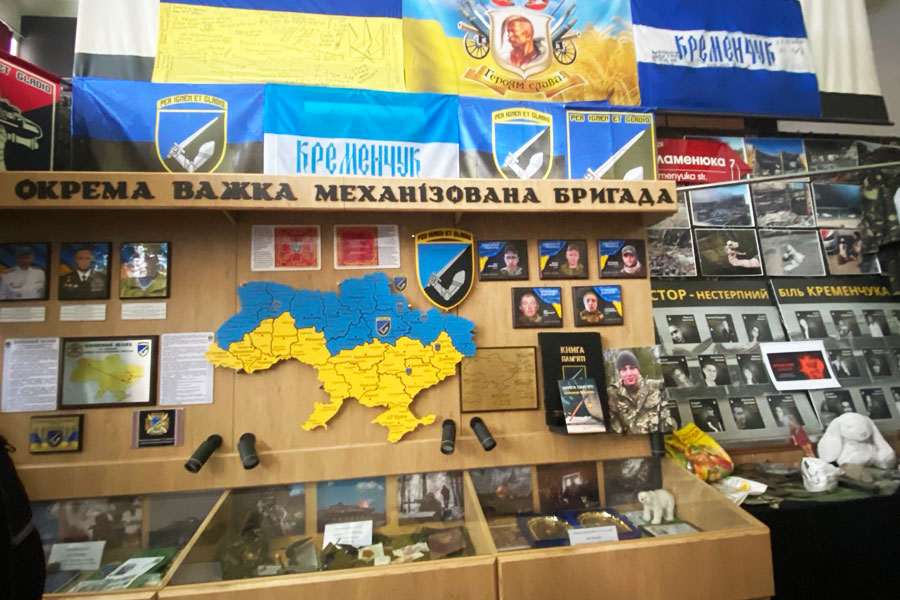
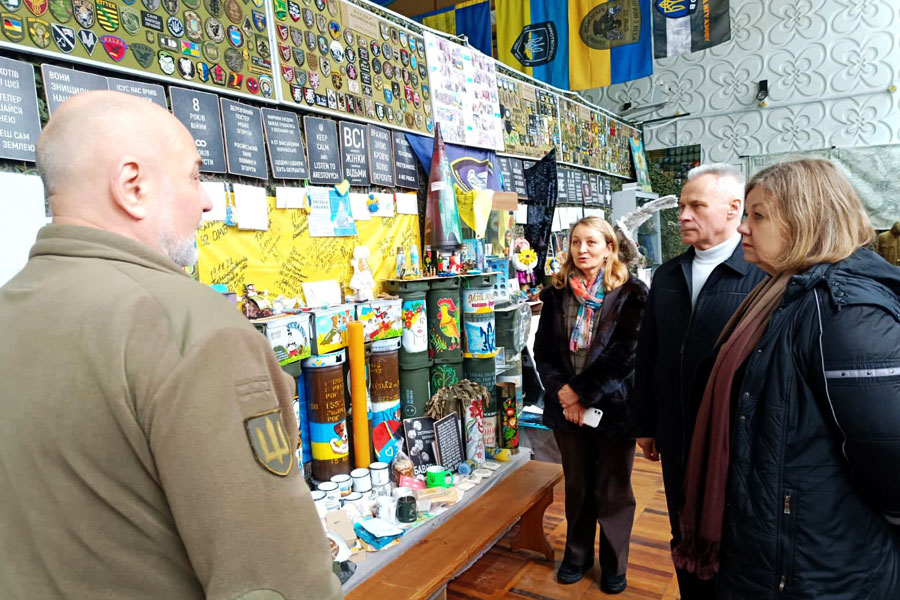
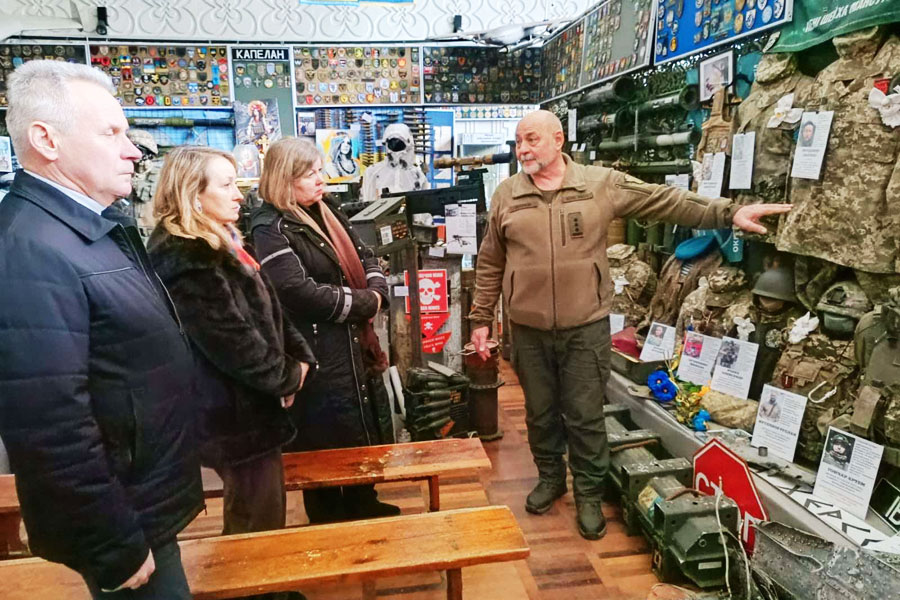
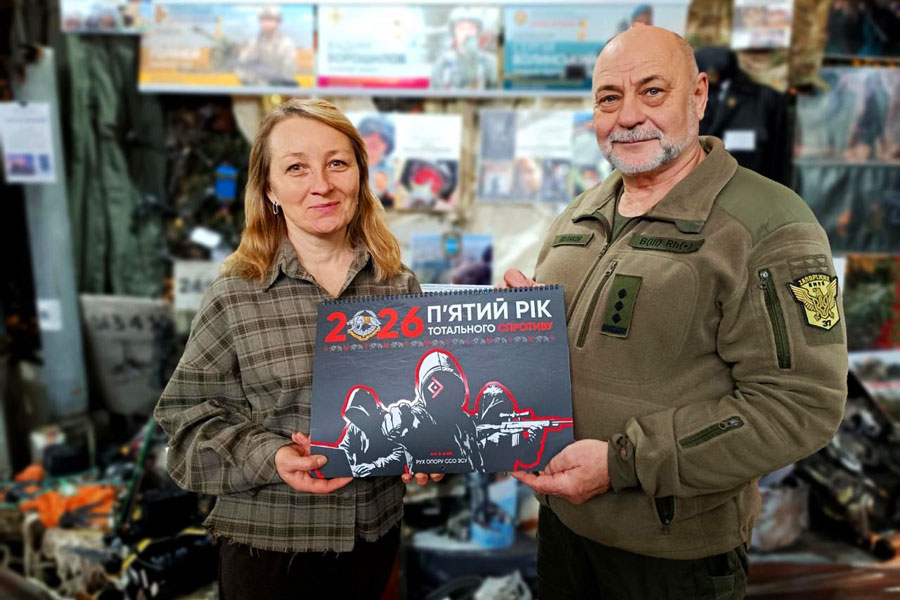
    The Professor of the Special Education Department Larysa Vorona visited the Military-Historical Museum of the War of Kremenchuk Higher Vocational School No. 7.

    On February 6, 2026, within the research project of the Ministry of Education and Science of Ukraine “Transformation of military experience into social leadership: an internationalized model of empowerment of veterans as agents of social change”, the project executor, professor of the Department of Special Education Larysa Vorona visited the Military-Historical War Museum of Kremenchuk Higher Professional School No. 7.

    This meeting became part of the analytical phase of the project, aimed at rethinking traditional approaches to working with the veteran community. The museum is not just about the past. It is about responsibility for the future, about names and stories that should be heard by every Ukrainian.

    It is here, among the exhibits of the Russian-Ukrainian war, that the meaning of the project is especially acutely felt:

    • military experience is not only a trauma, but also a source of leadership, strength and social change;
    • memory is not a burden, but a resource for post-traumatic growth and social transformations;
    • veterans are carriers of unique leadership, communication and social experience, agents of change in civil society.

    The organizer of the museum, head of the NGO “Defense of the State”, Colonel Volodymyr Poliakov emphasizes: “A veteran is not the past of the army. It is its memory and experience, its moral foundation.”

    The meeting confirmed the relevance of the conceptual principles of the project: the transformation of military and post-traumatic experience into social leadership is possible only through a deep understanding of the history, memory and values ​​of the veteran community as a driving force for the restoration of Ukraine.

  • Launch of the MON of Ukraine Project Aimed at Developing Social Leadership of Veterans

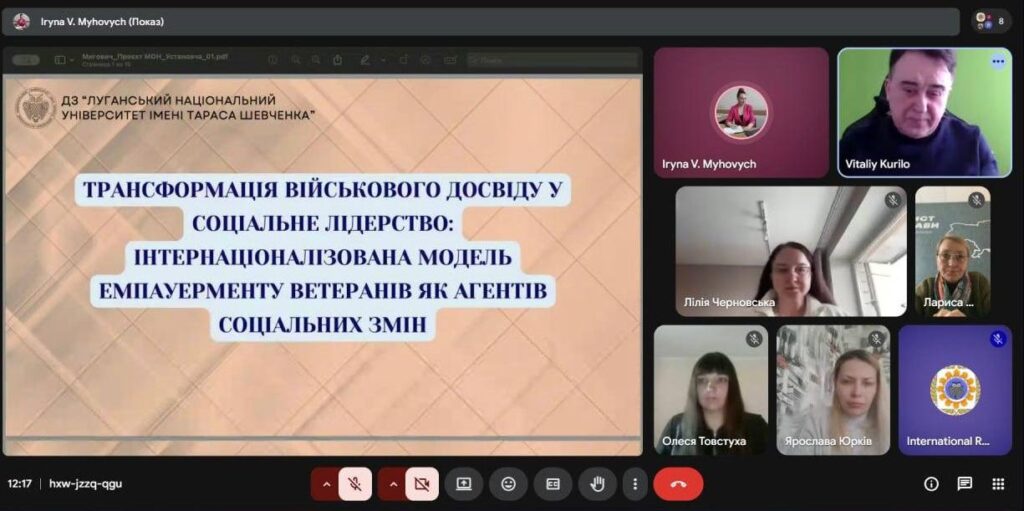
    Luhansk Taras Shevchenko National University has officially launched the research project “Transformation of Military Experience into Social Leadership: An Internationalized Model of Veteran Empowerment as Agents of Social Change,” which is being implemented with financial support from the Ministry of Education and Science of Ukraine.

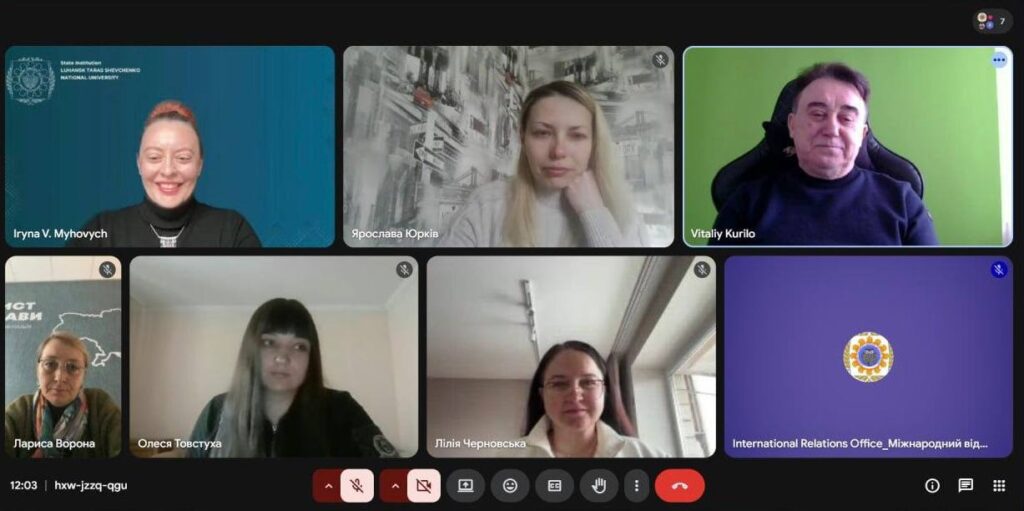
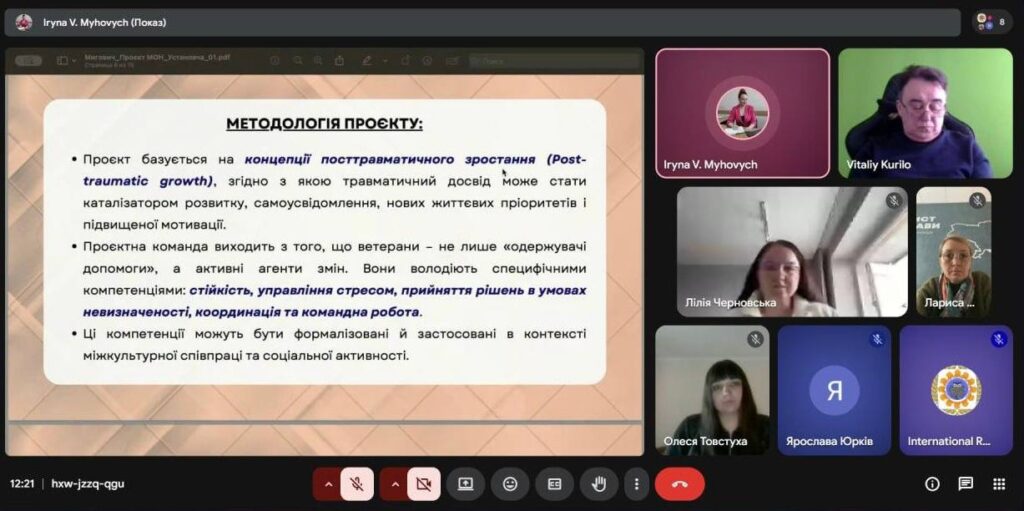
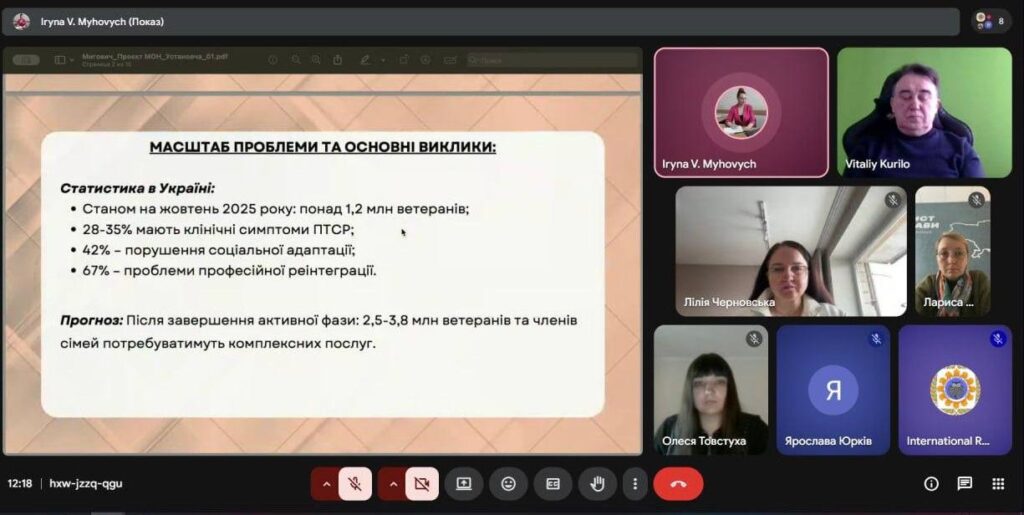
    The large-scale research project “Transformation of Military Experience into Social Leadership: An Internationalized Model of Veteran Empowerment as Agents of Social Change” has been launched with financial support from the Ministry of Education and Science of Ukraine. The official start was marked by an inaugural meeting of the project team. During the meeting, participants synchronized their vision, clarified the conceptual foundations and structure of the project, and clearly distributed roles and responsibilities. The team discussed key areas of work in the initial stages and identified priorities for the analytical phase.

    The inaugural meeting was attended by experienced researchers and university managers: V.S. Kurylo (project leader), I.V. Myhovych (responsible executor), Ya.I. Yurkiv, L.I. Vorona, L.V. Chernovska, O.M. Tovstukha (executors). The project involves active participation of the LNU Veterans Development Center, departments of psychology, social pedagogy, and other structural units of the university, which will ensure the interdisciplinary nature of the research and practical orientation of the results.

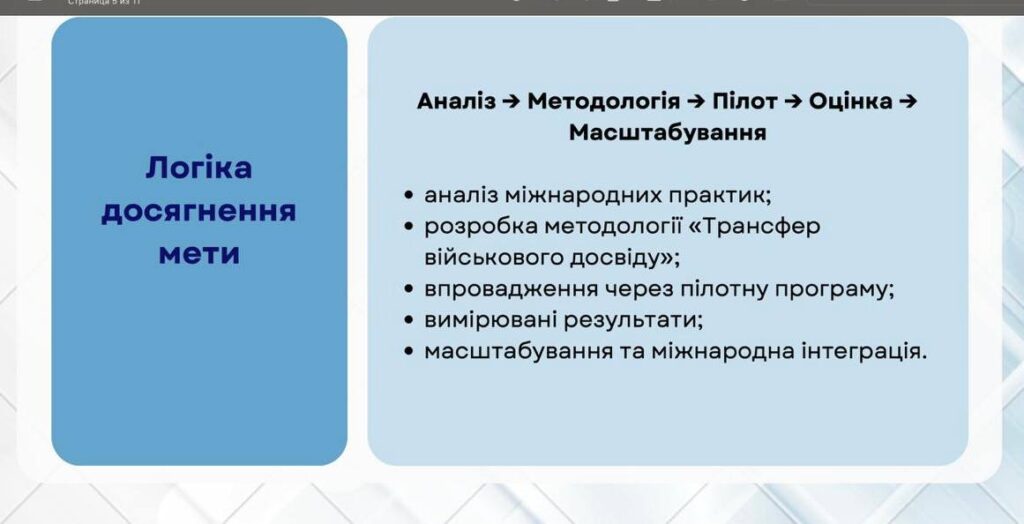
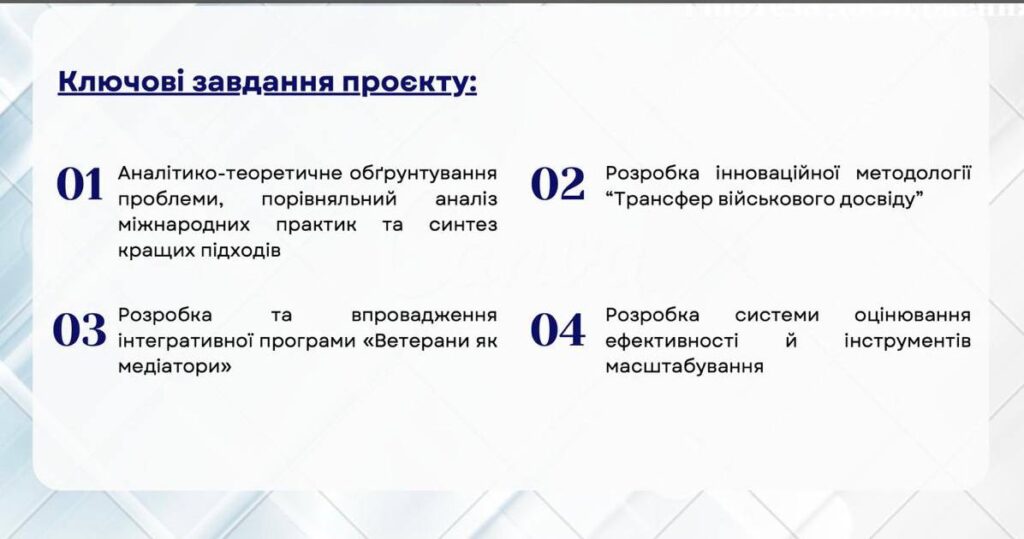
    The project aims to rethink traditional approaches to working with the veteran community and proposes a paradigm shift from models of reintegration and support to models of activating the potential of veterans as carriers of unique leadership, communication, and social experience. The initiative is based on modern international research and practices from the USA, Israel, and Great Britain, as well as the concept of post-traumatic growth, which views military and post-traumatic experience not only as a challenge but as a resource for social transformation, civic leadership, and intercultural dialogue. The project involves developing an internationalized methodology for transforming military experience into social leadership, testing it within pilot programs, and further scaling in educational, public, and international contexts.

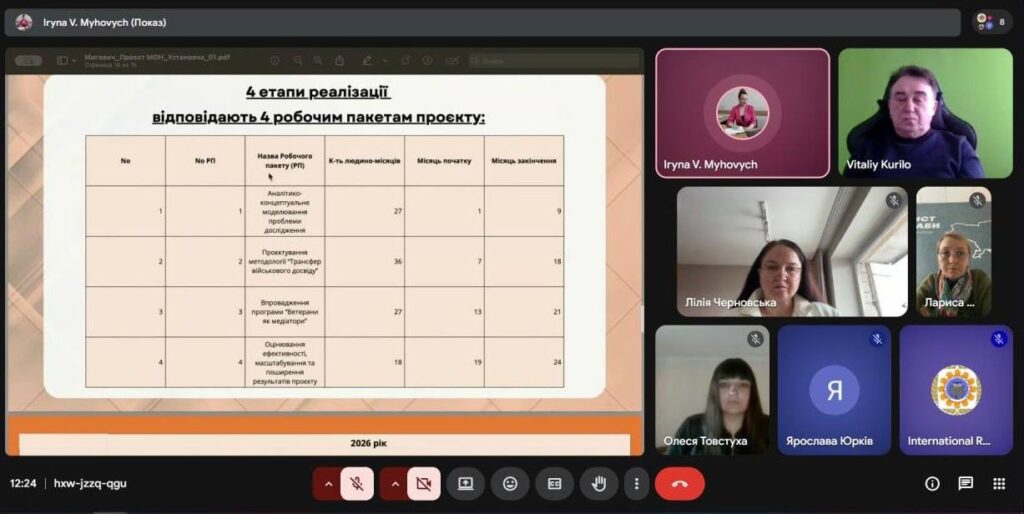
    During the inaugural meeting: the overall conceptual framework of the project, its purpose and key objectives were outlined; the logic of work packages and implementation stages was presented; priorities for the first analytical-conceptual stage were identified; functional responsibilities were distributed among project team members; approaches to interdisciplinary and inter-structural cooperation were agreed upon. In the near future, the project team will focus on completing tasks of the first work package, which involves a thorough analysis of international models of veteran leadership development, formation of the project’s methodological foundations, and preparation of analytical materials for subsequent stages.

    The implementation of this project is an important step in strengthening the university’s social mission, developing internationalized approaches in higher education, and forming scientifically grounded solutions for working with the veteran community in the context of Ukraine’s post-war recovery.